Local Web Design for Colorado Service Businesses
Web design for local businesses across the Front Range. Built around the one ranking rule nobody can change, which is the reason a local business website is structured differently from every other kind.
48 hours, no call required.
$1,500 to $6,500 one time. Month to month after that, and every account in your name.
Everything here is a real service, a published price or a client site you can open. Where there is no number yet, the page says so.
Local Is Not a Look. Most Sites Sold as Local Are Just a Brochure With a Town in the Footer.
The usual version of local business website design is a nice homepage, a page called Services listing nine things, and the town name in small type at the bottom. It photographs well and it ranks for almost nothing.
That is not a design failure. It is a structural one. A site can be beautiful and still be built for a job it was never asked to do, and this is the most common way that happens to local businesses.
What the Work Actually Includes
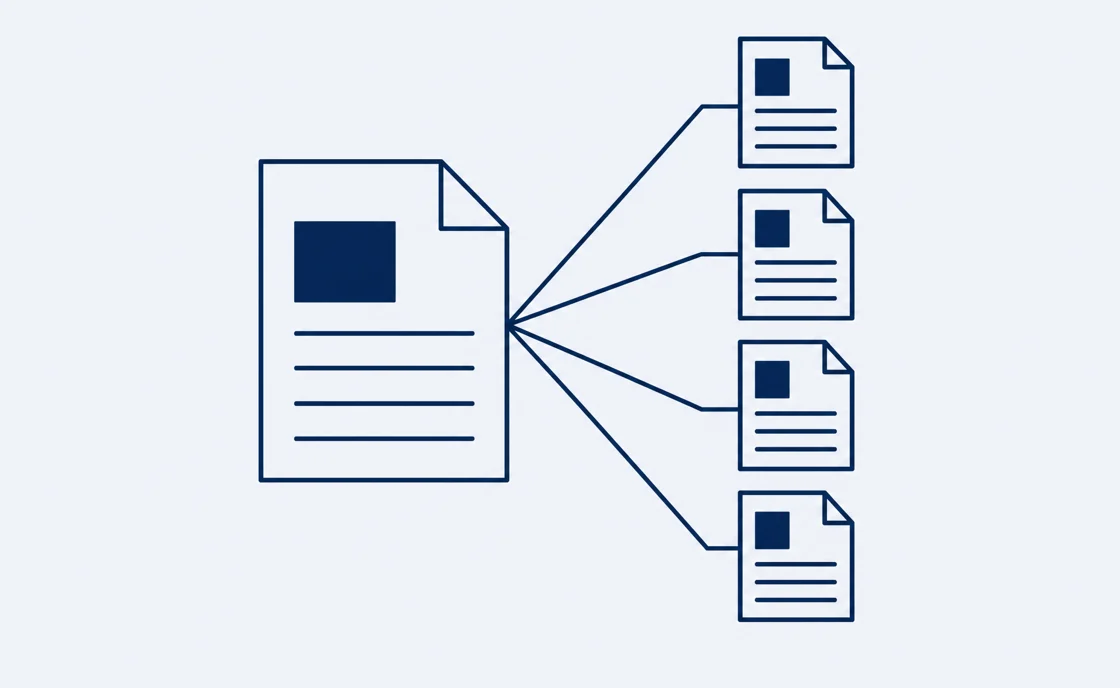
A page for every service you sell.
Not one Services page listing nine things. Somebody searching for one specific job is not going to dig through a combined page to find it, and neither is Google.
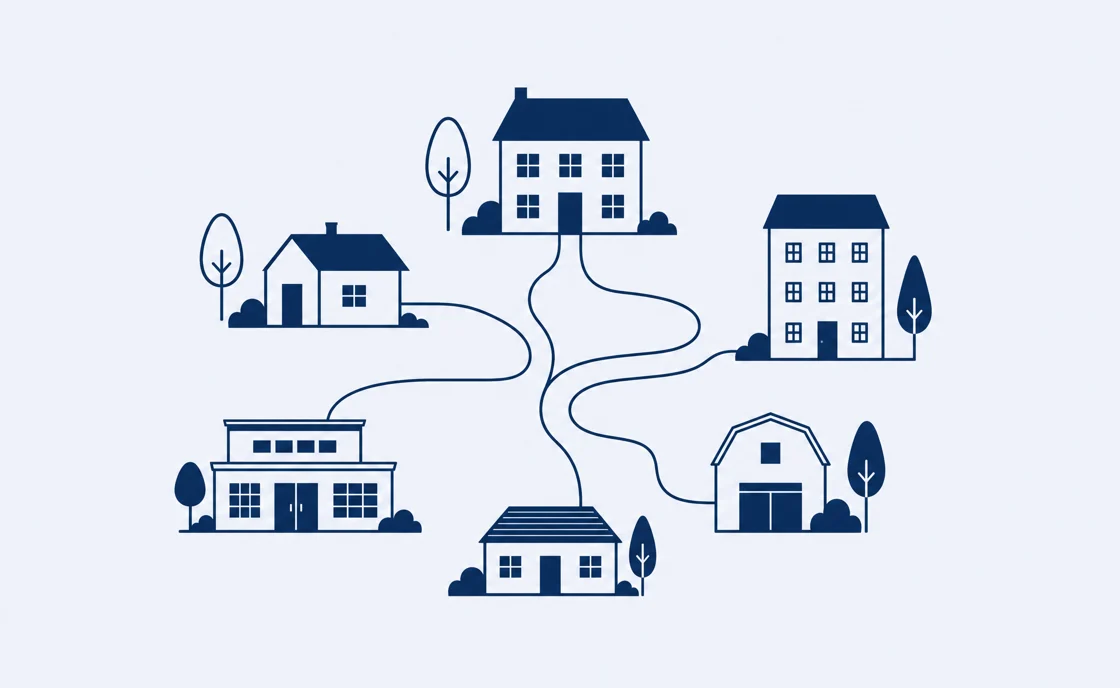
A page for every town you actually drive to.
Real pages with the jobs you have done there, not one page duplicated with the city name swapped. That pattern has a name at Google and it works against you.
The job and the town in the first heading.
The first thing Google reads and the first thing a customer reads. Most local sites spend it on the company name, which is the one thing the searcher did not type.
Your Google profile wired to the site.
The profile sends the call and the site closes it. Treating them as two projects is why most local marketing underperforms, because only one of them is being fed.
Written from an interview, not a template.
Forty minutes on what you sell, which jobs you want more of, and what customers ask you on the phone. Then the pages get written from that.
There Are Two Ways to Be Found Locally, and They Need Different Pages
The map pack, the box with the three businesses and the call buttons, is decided in large part by how close your business sits to the person searching. That is not something you can optimise. It is your address, and short of moving, it is fixed.
So the pack is winnable inside a radius and not outside it. Any agency promising you the whole metro in the pack is selling something that does not exist, and this is the single most common thing local businesses are sold.
Organic results have no proximity limit at all. A page built properly for one job in one town competes across the whole Front Range, which is how a Castle Rock company ends up taking calls from Parker and Lone Tree.
That is the whole reason a local site is structured the way it is. It has to win a proximity game inside a few miles and a relevance game everywhere else, and those need different pages.
Build only the first and you are invisible past the radius. Build only the second and you lose the customers standing closest to you.
This is also why a site with no town pages and a site with nothing but town pages fail for opposite reasons. Most rebuilds I am asked to look at have made one of those two mistakes.
How It Works
The teardown.
$47. I pull apart the three businesses outranking you in your own town and show you what they have that you do not. Most people start here.
Interview and structure.
Forty minutes on what you sell and what customers ask. Then I map every service and every town before a page is designed.
Build and launch.
Written, built, tested on real phones, launched. Your Google Business Profile is rebuilt at the same time, because the site and the profile rank together.
The honest checkpoint.
Rankings usually move in the first one to two months. Calls you can feel take longer, and month six is where that shows up.
What It Costs
$1,500 to $6,500A three page custom site starts at $1,500. A twenty page build with a page per service and per town runs $6,500. Most service businesses land near $3,500, and your exact figure goes in writing before anything starts.
Local SEO after launch runs from $750 a month and is month to month. No 12-month lock-in. Your domain, hosting, content and Google profile are registered to you from day one, so if you leave you take all of it.
The full breakdown is on the pricing page.
Cheaper to find out where you actually stand first.
Get My Free Competitor Teardown $47, free if you go ahead with any service. 48 hours, no call required.Questions I Get Asked
What actually makes a website local?
Structure, not styling. A page for each service, a real page for each town you serve, the job and the town in the first heading, and a Google Business Profile wired to all of it. A brochure with your address in the footer is none of those things.
Do I really need a separate page for every town?
If you want to rank in those towns organically, yes. But they have to be real pages about work you have actually done there. Copying one page and swapping the city name is what Google calls a doorway page, and it will cost you rather than help.
Will a new website on its own get me more calls?
Partly. The site converts the people who arrive. Getting more of them to arrive is local SEO, which is a different job on a longer clock. Anyone selling you the first as though it delivers the second is being loose with you.
Can you get me into the map pack across the whole metro?
No, and neither can anyone else. The pack weighs how close you are to the searcher, so it is winnable near you and not far from you. What does reach the whole metro is organic, and that is what the town pages are for.
What is the difference between local business web design and normal web design?
Structure, almost entirely. A normal site is organised around the company: home, about, services, contact. A local business website is organised around the searches, which means a page per service and a page per town, because that is the shape of what people actually type. The visual design can be identical. The site map cannot, and the site map is what decides whether you are ever found.
How much does web design for local businesses cost?
$1,500 to $6,500 as a one-time build, and what moves it is how many services you sell and how many towns you need covering. A one-truck operator sits at the low end. Somebody selling six services across five towns is at the top, because that is thirty pages rather than eight. The figure goes in writing before anything starts.
Do I need local web design and SEO together, or can I do one first?
You can do the site on its own and many people should. What you cannot usefully do is buy monthly SEO for a site with one combined services page, because there is nothing for the work to land on. If the budget only covers one, take the build. It is the asset, it keeps working when you stop paying, and the search work is far cheaper once it exists.
Do you only do local website design in Colorado?
Yes for the search side, and it is worth saying why rather than pretending otherwise. Map pack rankings are decided partly by how close you are to the person searching, so I am useful where I know which competitors hold which towns, which is the Front Range. The website itself I could build for anyone. The results I can argue for are Colorado.
Do I own the site when it is finished?
Yes, every piece. Domain, hosting account, page copy, photos and logins, all in your name from day one. Plenty of agencies keep those in their own name and bill you to hand them back, so ask whoever you hire that question before you sign.
Where I Work
Based in Parker, Colorado. The towns nearest me are the ones I can win the map pack in fastest. The rest is organic reach, and I will tell you which is which rather than sell you both as the same thing.
Start With the $47 Teardown
I'll show you the three businesses beating you in your own town and exactly what they are doing that you aren't. Forty-eight hours, no call required. Yours to keep whether we work together or not.
$47, free if you go ahead with any service. If you do not see an increase in calls by month three, I work for free until you do.
Your Local Site Design LLC
13984 Deertrack Ln
Parker, CO 80134
(303) 981-0908